
An economic analysis of drugs and medical devices reveals that the Small Business Innovation Research (SBIR) and Small Business Technology Transfer (STTR) programs have played a pivotal role in supporting several of the most successful FDA-approved pharmaceutical and medical technologies over the past two decades:
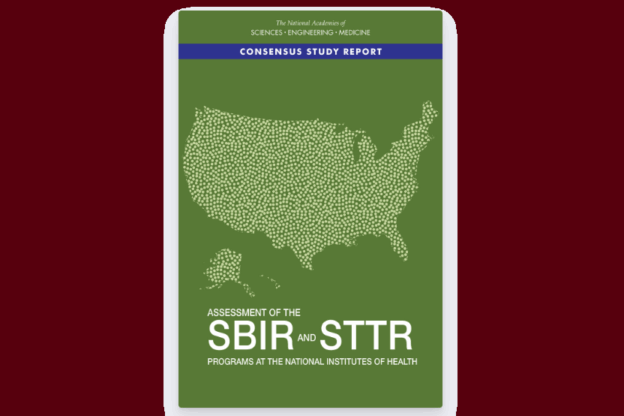
According to a study performed by The National Academies of Science into the NIH SBIR/STTR program[1], between 1996 and 2020, over 100 drugs approved by the FDA were developed by firms that received SBIR/STTR awards. The SBTC then ran an analysis cross referencing these drugs with public records, and found that 21 of these FDA-approved drugs that were supported by the SBIR/STTR program contributed to a combined $36 billion in annual sales, demonstrating the extraordinary market impact of early-stage federal innovation support. Three SBIR/STTR-supported drugs ranked among the top 20 highest-selling drugs in the United States, finishing at 5th, 11th, and 18th based on their most recent annual commercial revenues.
Further analysis found similar results in the medical device sector. The same NAS study found that between 1996 and 2020, 34 Premarket Approval Applications (PMAs) and 2,475 510K premarket submissions for medical devices were made by firms that received SBIR/STTR awards. These firms brought technologies to market that today generate over $26 billion per year in combined annual sales. These medical devices include innovations widely used in cardiology, oncology, neurology, metabolic disorders, diabetes, genetic screening, and advanced surgical care.
Given the overwhelming evidence of long-term program effectiveness and economic impact, Congress should act without delay to reinstate and fully reauthorize the SBIR and STTR programs. The current lapse of SBIR authorization threatens critical innovation pipelines—including breakthrough medical technologies and life-saving therapies developed by small businesses. Immediate Congressional action is essential to maintain U.S. leadership in medical innovation, entrepreneurship, and global competitiveness.
[1] National Academies of Science: Assessment of the SBIR and STTR Programs at the National Institutes of Health (2022) https://www.nationalacademies.org/projects/PGA-POLICY-19-11